%2Ffit-in%2F250x250%2Fguide_websites%2F180963%2Fimages%2F1783648454963joegarciabusinesslogo.jpg&w=1920&q=100)
/users/cd3b67a1-958b-455f-aa8f-48fb7ffd9581/ratecard/610722609_17898004932361274_3789442061960496390_n-mre5mp0e.jpg)
%2F300x300%2Fusers%2Fcd3b67a1-958b-455f-aa8f-48fb7ffd9581%2Fratecard%2F610722609_17898004932361274_3789442061960496390_n-mre5mp0e.jpg&w=256&q=75)
%2F300x300%2Fusers%2Fcd3b67a1-958b-455f-aa8f-48fb7ffd9581%2Fimages%2Fsouthpadreislandfishingreport-mre6kjgv.jpg&w=256&q=75)
%2F300x300%2Fusers%2Fcd3b67a1-958b-455f-aa8f-48fb7ffd9581%2Fimages%2Fsouth-padre-island-fishing-charter-2483.jpg&w=256&q=75)
%2F300x300%2Fusers%2Fcd3b67a1-958b-455f-aa8f-48fb7ffd9581%2Fimages%2Fsouth-padre-island-redfish-catch-2493.jpg&w=256&q=75)
%2F300x300%2Fusers%2Fcd3b67a1-958b-455f-aa8f-48fb7ffd9581%2Fimages%2Fsouth-padre-redfish-speckled-trout-2676.jpg&w=256&q=75)
%2F300x300%2Fusers%2Fcd3b67a1-958b-455f-aa8f-48fb7ffd9581%2Fimages%2Fsouth-padre-speckled-trout-catch-2627.jpg&w=256&q=75)
%2F300x300%2Fusers%2Fcd3b67a1-958b-455f-aa8f-48fb7ffd9581%2Fimages%2Fsouth-padre-speckled-trout-fishing-2592.jpg&w=256&q=75)
%2F300x300%2Fusers%2Fcd3b67a1-958b-455f-aa8f-48fb7ffd9581%2Fimages%2Fspeckled-trout-south-padre-island-2775.jpg&w=256&q=75)
%2F300x300%2Fusers%2Fcd3b67a1-958b-455f-aa8f-48fb7ffd9581%2Fimages%2Fsouth-padre-trout-redfish-catch-2810.jpg&w=256&q=75)
%2F300x300%2Fusers%2Fcd3b67a1-958b-455f-aa8f-48fb7ffd9581%2Fimages%2Fsouth-padre-island-fishing-charter-2610.jpg&w=256&q=75)
%2F300x300%2Fusers%2Fcd3b67a1-958b-455f-aa8f-48fb7ffd9581%2Fimages%2Fspeckled-trout-south-padre-island-2708.jpg&w=256&q=75)
Afternoon Bay Fishing with Fin-natic Charters
 South Padre Island, TX
What you will be catching:
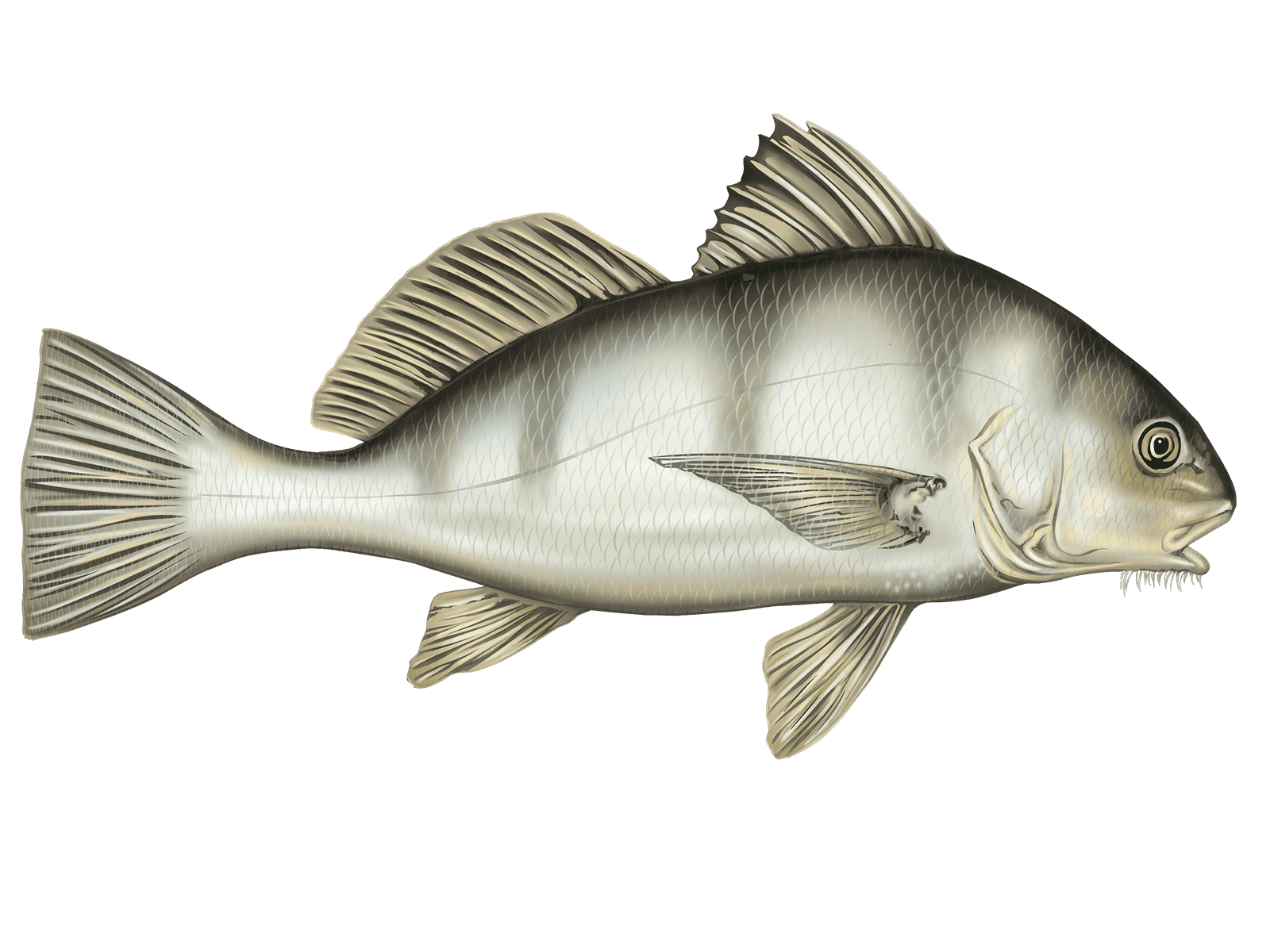
 Black Drum
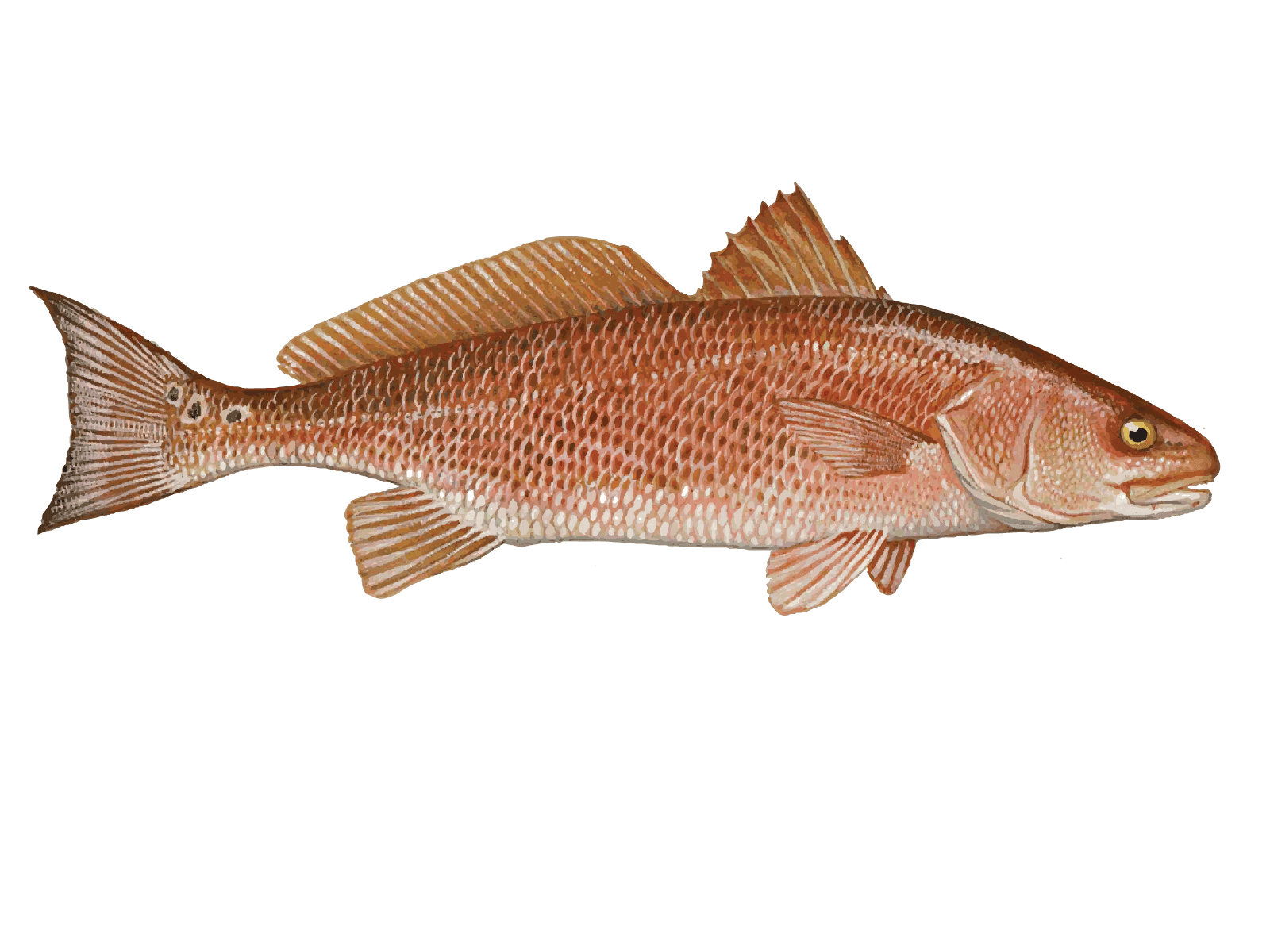
 Redfish
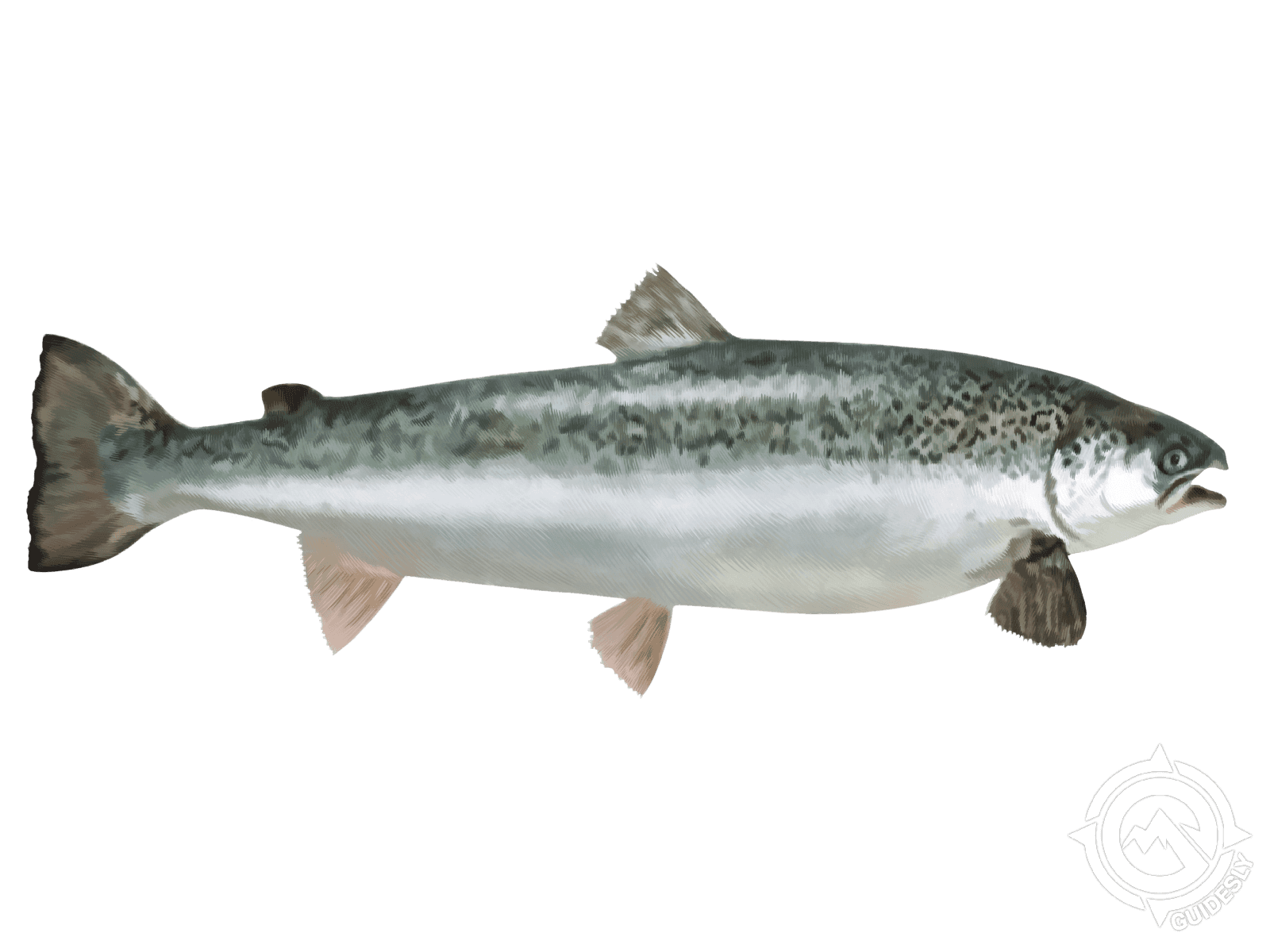
 Sea Trout
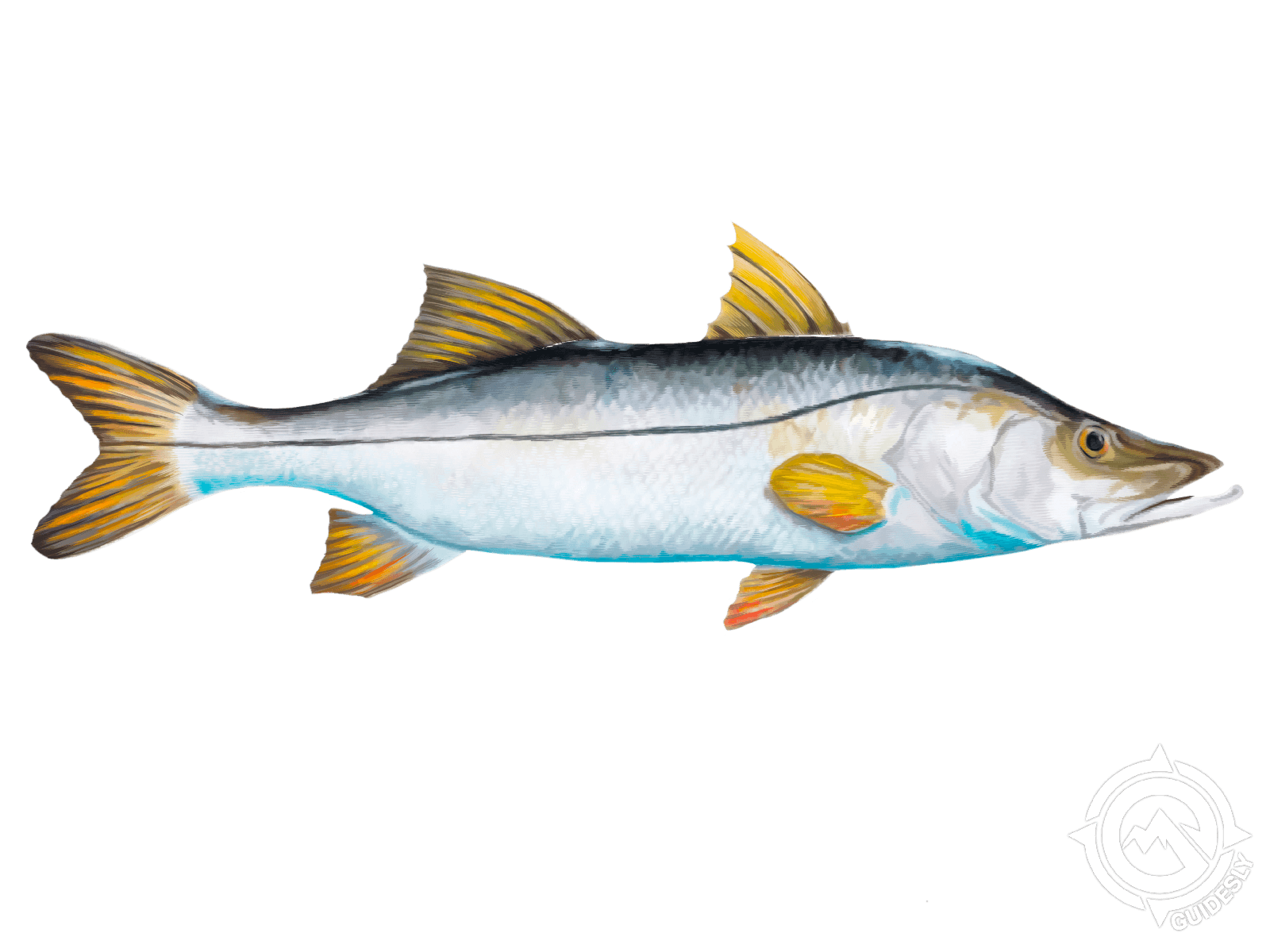
 Snook
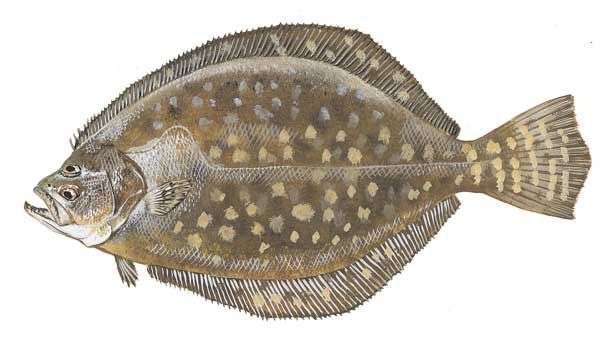
Snook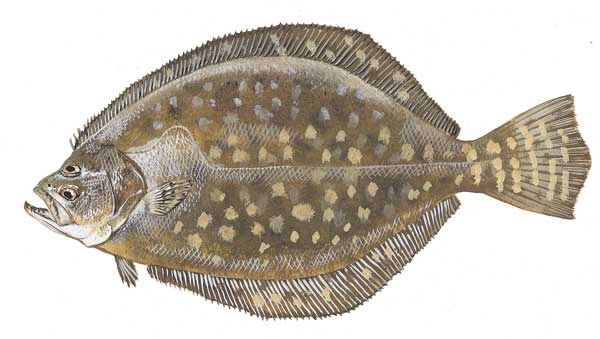 Southern Flounder
- Five-hour afternoon charter departing daily 1:00-1:30 PM
- Target redfish, trout, flounder, and snook species
- Private charter for six anglers with gear included
Trip Pricing and Availabilities:
Afternoon Bay Fishing with Fin-natic Charters
When the afternoon sun hits South Padre Island's Lower Laguna Madre just right, you know it's time to wet a line. Captain Mike at Fin-natic Charters has been running these afternoon bay trips for years, and there's something special about hitting the water when most folks are calling it quits. These 5-hour trips launch between 1:00 and 1:30 PM from Lobo Del Mar Cafe, giving you prime time to work the flats and grass beds when the fish are feeding hard. At $600 for up to four anglers, with room for two more at $100 each, it's one of the best values on the island for serious fishing without the tourist crowds.
What to Expect on the Water
The Lower Laguna Madre is a different beast than the open Gulf – it's a shallow, wind-protected bay system that holds fish year-round. You'll spend your afternoon drifting productive areas and making targeted casts to structure, grass lines, and drop-offs where gamefish ambush baitfish. This isn't a party boat experience; it's a private charter designed for anglers who want to actually fish, not just ride around. Captain Mike keeps his groups small because he knows that four to six people can work a flat without spooking fish, while bigger groups just end up tangling lines and missing opportunities. The boat is rigged with quality rods, reels, and tackle, plus he stocks both artificial lures and fresh bait depending on conditions. Families love these trips because the bay stays calmer than offshore waters, and beginners get personal attention instead of being lost in a crowd.
Drift Fishing & Sight Casting
The beauty of Lower Laguna Madre fishing is versatility – some days you're sight casting to tailing redfish in two feet of water, other days you're drifting deeper channels with live shrimp under popping corks. Captain Mike reads the conditions and adjusts tactics accordingly. When the water's clear and wind is down, he'll put you on the bow with topwater plugs or soft plastics, working the edges of grass beds where predators wait. On windier days, you'll drift with the current using Carolina rigs or fish finder rigs tipped with fresh shrimp or cut bait. The gear is all provided – medium-action spinning rods spooled with braided line for sensitivity, plus leaders sized for the target species. Don't worry if you've never sight fished before; Captain Mike will talk you through reading the water, spotting fish movement, and making accurate casts when it counts.
Target Species You'll Hook
Southern Flounder are the bread and butter of these afternoon trips, especially from October through February when they're staging for their offshore spawning run. These flatfish ambush prey from sandy bottoms and grass edges, and they hit both live bait and well-presented soft plastics. What makes them special is the fight – flounder don't jump or run like other species, but they use that flat body to pull hard and stay deep. Plus, they're excellent table fare with sweet, white meat that's perfect for the dinner table. Most fish run 14 to 18 inches, with occasional doormat-sized specimens pushing 20 inches or better.
Snook fishing in South Padre Island represents the northern edge of their range, making every hookup special. These fish love structure – bridge pilings, dock lines, and mangrove shorelines where they can pin baitfish. Snook are notorious for their gill-rattling jumps and powerful runs toward cover, which means you need to stay tight and keep them out of structure. They're catch-and-release only in Texas waters, but that just adds to the sport. Best action typically comes during warmer months when water temperatures stay above 60 degrees, and they're most active during moving tides when baitfish get pushed around.
Black Drum are the bulldogs of the bay – not the prettiest fish, but they'll test your drag and teach you patience. These bottom feeders cruise shallow flats looking for crabs and shellfish, and you'll often see them tailing like redfish in skinny water. They respond well to fresh shrimp or crab, and the bigger specimens can easily top 20 pounds. What's cool about drum fishing is that you'll often catch multiple fish from the same school, since they travel in groups and feed methodically across the flats.
Spotted Sea Trout are year-round residents that provide consistent action when other species are finicky. They suspend over grass beds and around structure, feeding on shrimp and small baitfish throughout the water column. Trout are perfect for beginners because they bite readily and don't require perfect presentations, but they're also technical enough to keep experienced anglers interested. The best fish come during spring and fall transitions, when water temperatures trigger aggressive feeding patterns.
Redfish are the crown jewel of Texas bay fishing – copper-colored bruisers that pull hard and stay strong throughout the fight. In Lower Laguna Madre, you'll find them working shallow grass flats, oyster reefs, and drop-offs where they can corner baitfish. Reds are opportunistic feeders that hit everything from topwater plugs at dawn to bottom rigs during midday. What makes them special is their willingness to eat in shallow water where you can see the whole fight unfold, plus they're beautiful fish with that distinctive spot pattern and bronze coloration.
Time to Book Your Spot
These afternoon trips fill up fast, especially during peak seasons when the fishing is hot and the weather cooperates. Captain Mike limits his bookings to ensure quality experiences, which means popular dates get claimed weeks in advance. All you need to bring is weather-appropriate clothing, snacks, drinks, and a valid Texas fishing license – everything else is provided. The 5-hour trip length gives you serious fishing time without the full-day commitment, and launching from Lobo Del Mar Cafe puts
Learn more about the species
Black Drum
Black drum are the heavyweights of our bay system - powerful bottom feeders with crushing jaws built for cracking oysters and crabs. Most range 5-30 pounds, but we regularly see monsters over 50 pounds that'll test your tackle and endurance. They prefer muddy flats, oyster reefs, and deeper channels, especially during cooler months when they school up. Spring is prime time around spawning season when you can hear their drumming sounds underwater as they communicate. These fish are pure muscle - long, steady runs that just don't quit. Smaller ones under 15 pounds are great eating, but the big bulls are better released. Best technique is fishing dead on the bottom with fresh crab or cut bait. Here's the key: use just enough weight to hold bottom and stay patient - drum take their time inspecting bait before committing.
Redfish
Redfish are the signature species of Texas coastal fishing - bronze-backed beauties with those distinctive black eyespots that provide consistent action and hard fights. They typically run 18-27 inches in the slot, though we see plenty of oversized bulls pushing 30+ inches that really put a bend in the rod. These fish love super shallow water - sometimes so shallow their backs stick out - around grass flats, oyster reefs, and shoreline structure. Fall and winter are prime when they school up and feed aggressively before cold fronts. What makes reds special is their aggressive nature and that classic drum fight - long, powerful runs that'll take all your line if you're not careful. They're also excellent eating with sweet, firm meat. Pro tip: look for nervous water and baitfish activity on calm days - redfish push bait to the surface and give away their location from hundreds of yards away.
Sea Trout
Speckled trout are the bread and butter of our bay fishing - beautiful silver fish covered in distinctive black spots that fight above their weight class. They typically run 14-20 inches and 1-3 pounds, with the occasional "gator trout" pushing 5+ pounds that'll make your day. Look for them over grass flats in 2-8 feet of water, especially around drop-offs and current breaks. They bite year-round but really turn on during spring and fall transitions. What makes them special is their willingness to hit topwater lures at dawn and dusk - those surface explosions never get old. Plus they're fantastic table fare with mild, flaky white meat. The key is presentation: work your lures slow and erratic over the grass beds, and when you hook up, keep steady pressure since their mouths are soft and they'll throw the hook easily if you horse them.
Snook
Snook are the gold standard of inshore fishing around South Padre - sleek predators with that distinctive black lateral line and aggressive attitude. Most run 18-24 inches, but the big females can push 4 feet and really test your drag. They love hanging around structure like mangroves, docks, and oyster bars in 2-6 feet of water, especially where current creates ambush points. Warmer months from May through September are peak season when they're spawning and their fins turn bright yellow. What gets anglers hooked is their explosive strikes and bulldogging runs - they'll take you into structure if you let them. The meat is firm and flaky, perfect for the dinner table. Here's a local secret: target the tide changes around dawn or dusk near creek mouths - that's when they feed most aggressively and you'll get the best action.
Southern Flounder
Southern flounder are masters of disguise that bury themselves in sandy and muddy bottoms with both eyes on their left side. They typically run 15-18 inches and weigh around 5 pounds, though we've seen some pushing 20+ pounds. These ambush predators love shallow bay waters, especially around structure where they can blend in perfectly. Spring and fall are prime times when they're more active and feeding heavily on shrimp, crabs, and small baitfish. What makes them special is their fight - they pull hard and steady once hooked, plus they're excellent table fare with sweet, flaky white meat. Pro tip: when drift fishing, let your bait sit still on the bottom for a few seconds after each drift - flounder like to study their prey before striking, and patience pays off.
About the Fin-natic Bay Rider
%2F%2Fusers%2Fcd3b67a1-958b-455f-aa8f-48fb7ffd9581%2Fvehicle_picture%2Fsouthpadreislandfishingboat-mre4rwuc.jpg&w=1920&q=75)
Vehicle Guest Capacity: 6
Manufacturer Name: Suzuki
Maximum Cruising Speed: 35
Number of Engines: 1
Horsepower per Engine: 200