%2Ffit-in%2F250x250%2Fguide_websites%2F180963%2Fimages%2F1783648454963joegarciabusinesslogo.jpg&w=1920&q=100)
/users/cd3b67a1-958b-455f-aa8f-48fb7ffd9581/ratecard/best-fishing-guide-south-padre-island2-mre5eazx.jpg)
%2F300x300%2Fusers%2Fcd3b67a1-958b-455f-aa8f-48fb7ffd9581%2Fratecard%2Fbest-fishing-guide-south-padre-island2-mre5eazx.jpg&w=256&q=75)
%2F300x300%2Fusers%2Fcd3b67a1-958b-455f-aa8f-48fb7ffd9581%2Fimages%2Fsouthpadreislandfishingreport-mre6kjgv.jpg&w=256&q=75)
%2F300x300%2Fusers%2Fcd3b67a1-958b-455f-aa8f-48fb7ffd9581%2Fimages%2Fsouth-padre-island-fishing-charter-2483.jpg&w=256&q=75)
%2F300x300%2Fusers%2Fcd3b67a1-958b-455f-aa8f-48fb7ffd9581%2Fimages%2Fsouth-padre-island-redfish-catch-2493.jpg&w=256&q=75)
%2F300x300%2Fusers%2Fcd3b67a1-958b-455f-aa8f-48fb7ffd9581%2Fimages%2Fsouth-padre-redfish-speckled-trout-2676.jpg&w=256&q=75)
%2F300x300%2Fusers%2Fcd3b67a1-958b-455f-aa8f-48fb7ffd9581%2Fimages%2Fsouth-padre-speckled-trout-catch-2627.jpg&w=256&q=75)
%2F300x300%2Fusers%2Fcd3b67a1-958b-455f-aa8f-48fb7ffd9581%2Fimages%2Fsouth-padre-speckled-trout-fishing-2592.jpg&w=256&q=75)
%2F300x300%2Fusers%2Fcd3b67a1-958b-455f-aa8f-48fb7ffd9581%2Fimages%2Fspeckled-trout-south-padre-island-2775.jpg&w=256&q=75)
%2F300x300%2Fusers%2Fcd3b67a1-958b-455f-aa8f-48fb7ffd9581%2Fimages%2Fsouth-padre-trout-redfish-catch-2810.jpg&w=256&q=75)
%2F300x300%2Fusers%2Fcd3b67a1-958b-455f-aa8f-48fb7ffd9581%2Fimages%2Fsouth-padre-island-fishing-charter-2610.jpg&w=256&q=75)
%2F300x300%2Fusers%2Fcd3b67a1-958b-455f-aa8f-48fb7ffd9581%2Fimages%2Fspeckled-trout-south-padre-island-2708.jpg&w=256&q=75)
Half Day Morning Wading Fishing in Arroyo City
 South Padre Island, TX
What you will be catching:
 Black Drum
 Redfish
 Sea Trout
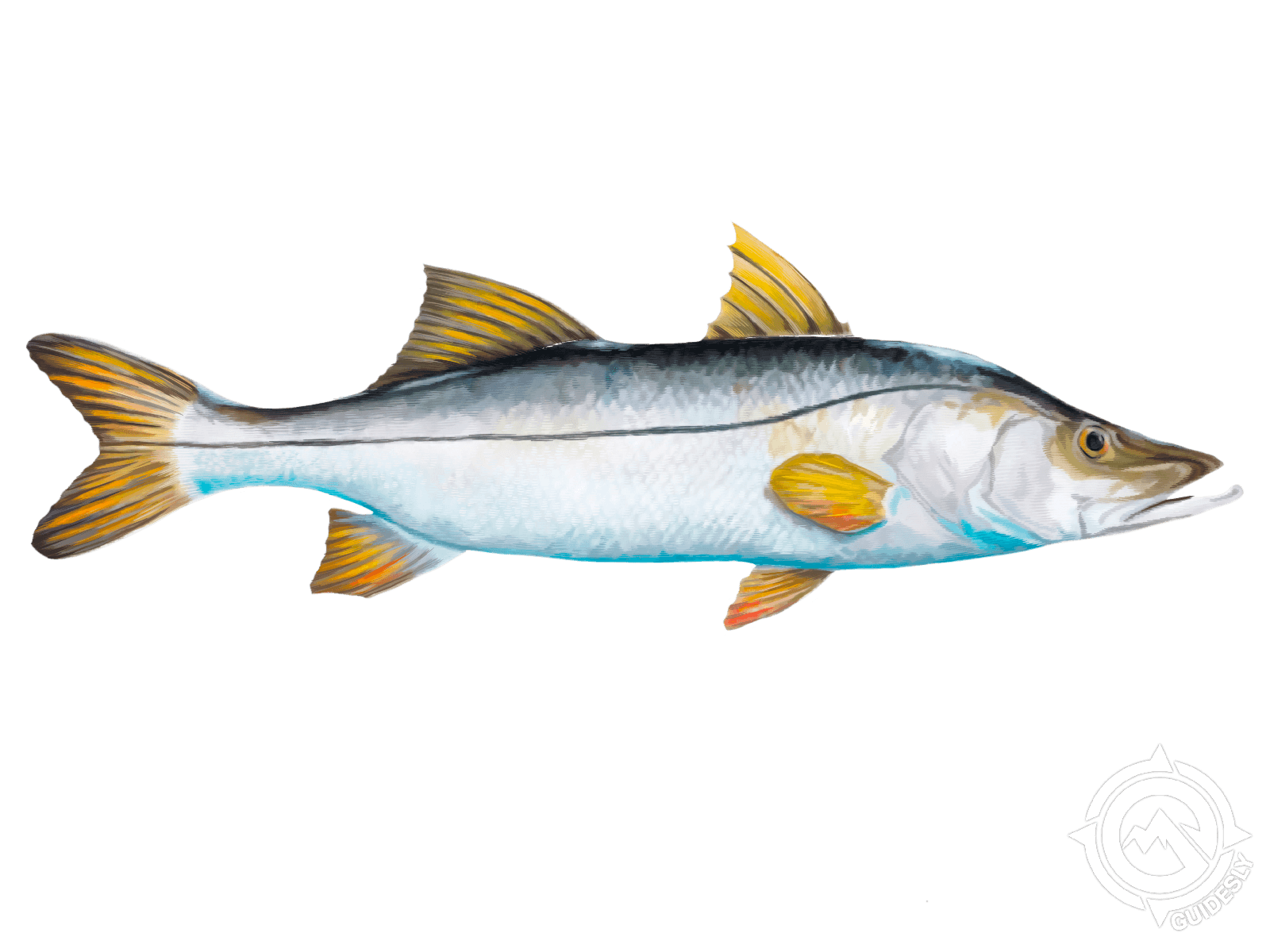
 Snook
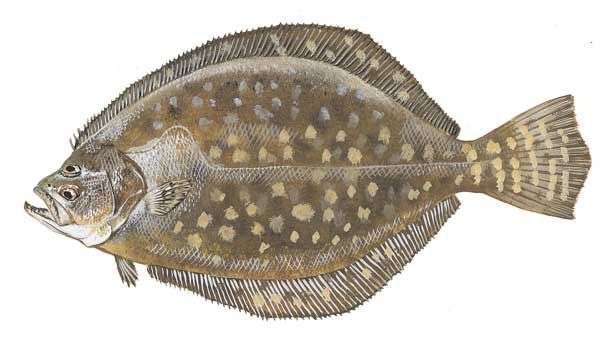
Snook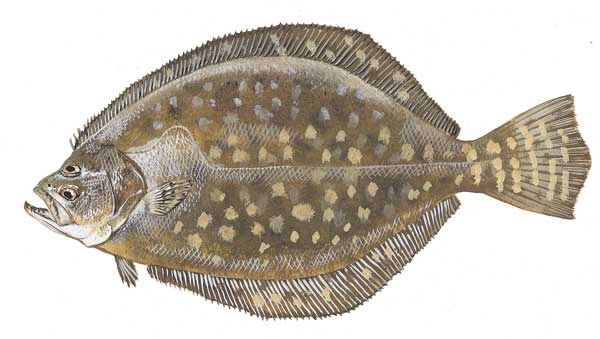 Southern Flounder
- Five-hour morning charter targeting redfish and trout species
- Shallow water wading experience departing 7AM from Arroyo City
- Private excursion accommodates maximum of five guests per trip
Trip Pricing and Availabilities:
Half Day Morning Wading Fishing in Arroyo City
There's nothing quite like stepping into the shallow flats around Arroyo City at first light, feeling the cool water around your legs as you scan for those telltale signs of feeding redfish and speckled trout. This top-rated 5-hour morning wading trip puts you right in the action, starting at 7:00 AM from Lobo Del Mar Cafe near the East Cut. For $350, you and a buddy get exclusive access to some of the best shallow-water fishing along the Texas coast, with room for up to three more anglers at $175 each. This isn't your typical boat charter – you're getting dirty, learning the water, and experiencing inshore fishing the way it was meant to be done.
What to Expect on the Water
This morning trip kicks off early for good reason – the fish are most active in the cooler hours, and you'll beat the afternoon boat traffic that can spook fish in the shallows. Your guide will position you in prime spots around the East Cut and nearby flats, but from there, it's all about reading the water and making accurate casts. The beauty of wading is the stealth factor – you can get within casting distance of fish that would bolt at the sound of an outboard motor. Expect to cover different areas throughout the morning, following bait schools and working structure that holds fish. The guide provides expert instruction on reading water conditions, understanding fish behavior, and perfecting your presentation, but you'll need to bring your own rod, reel, and wading gear along with a valid Texas fishing license.
Wading Techniques & Gear
Wading fishing is all about being quiet and methodical – no rushing or splashing around like you're crossing a creek. You'll learn to shuffle your feet to avoid stingrays and move slowly to keep from muddying the water or creating vibrations that alert fish to your presence. The guide will teach you to read subtle signs like nervous water, baitfish activity, and slight color changes that indicate drop-offs or grass beds where predators like to hunt. Since you're bringing your own tackle, a medium-light spinning rod with 15-20 pound braid and a fluorocarbon leader works best for these conditions. Soft plastics, topwater plugs, and spoons are go-to lures in these shallow flats, and your guide will help you select the right presentation based on conditions and fish behavior. Proper wading boots with good traction are essential – the bottom can be slippery, and you'll be standing for several hours while making repetitive casts.
Target Species Breakdown
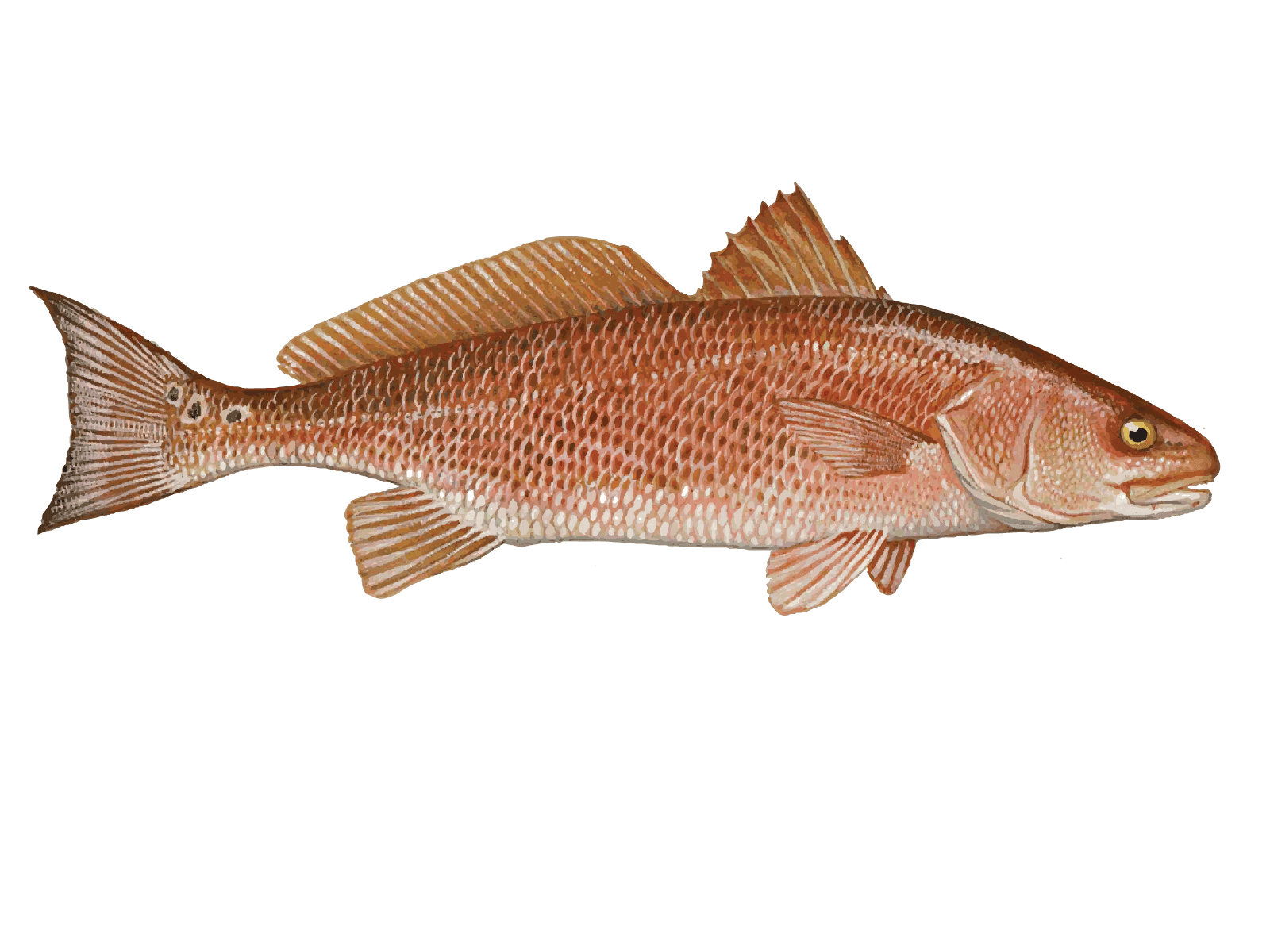
Redfish are the stars of this show, and for good reason – these copper-colored bruisers love the shallow flats around Arroyo City and provide some of the most visual and exciting fishing you'll find anywhere. Reds typically range from 20 to 30 inches in these waters, with plenty of slot-sized fish that fight like they're twice their size. They're year-round residents but are most active during the cooler months from October through March. What makes them so fun to target is their aggressive feeding behavior – you'll often see them tailing in inches of water or cruising the grass beds with their backs exposed. When a red takes your lure in shallow water, the explosion and subsequent fight will get your heart racing every time.
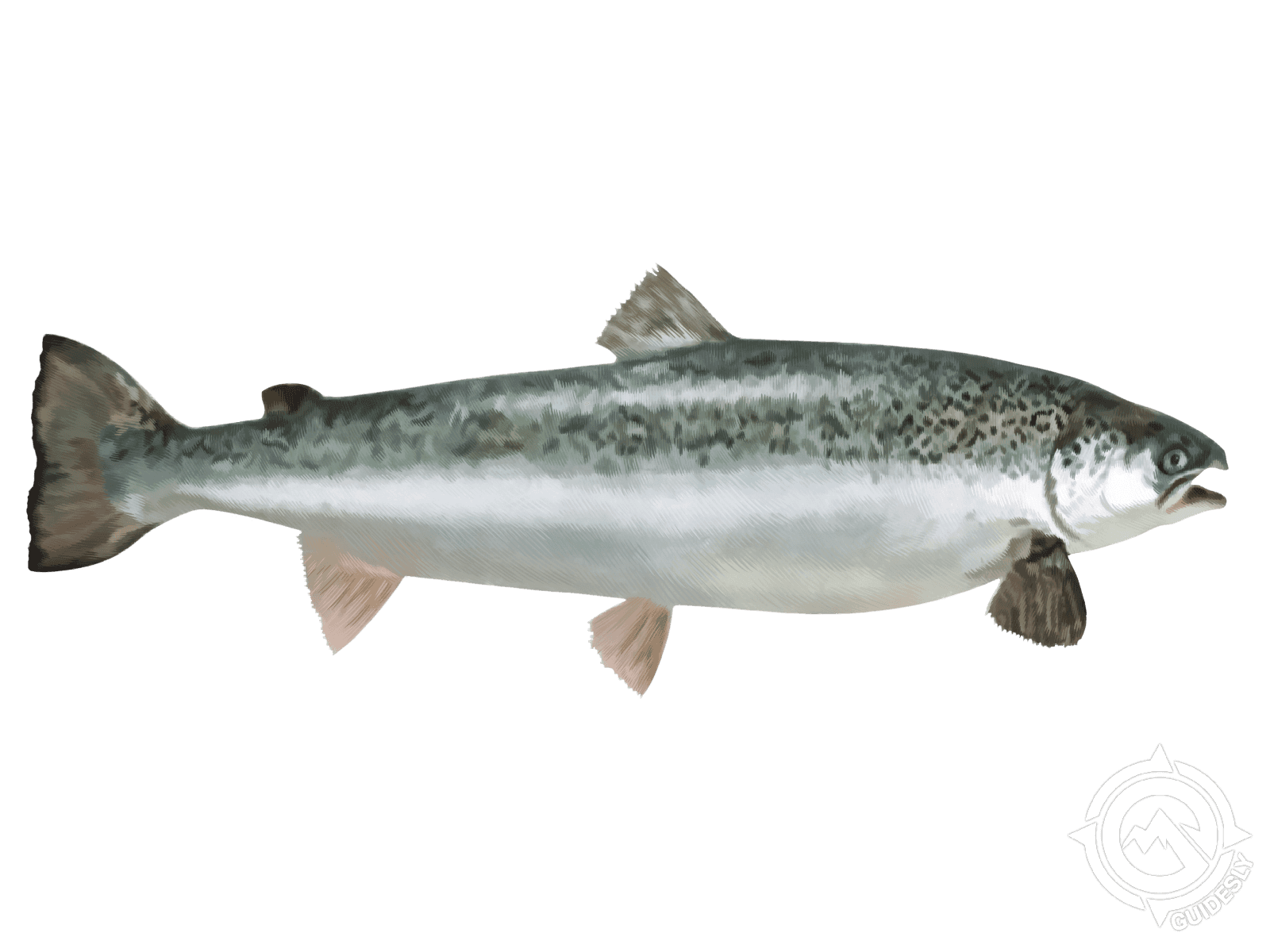
Sea trout, particularly speckled trout, are the other primary target and provide consistent action throughout the morning. These fish are typically more finicky than redfish, requiring precise presentations and proper lure selection. Specks in this area average 15 to 18 inches, with occasional fish pushing 20 inches or better during peak seasons. They're most active in spring and fall but can be caught year-round if you know where to look. Trout are structure-oriented, holding around grass beds, drop-offs, and areas with good current flow. They're also more sensitive to weather changes, so your guide's local knowledge becomes crucial for finding them on any given day.
Southern flounder add an element of surprise to these trips, as they're masters of camouflage that lie buried in sandy areas waiting to ambush prey. These flatfish are most active during their fall migration from September through November, when they're feeding heavily before heading to deeper water to spawn. Flounder typically range from 14 to 18 inches in the shallows, and catching one always feels like a bonus since they strike so differently from reds and trout – usually a subtle thump rather than an aggressive hit.
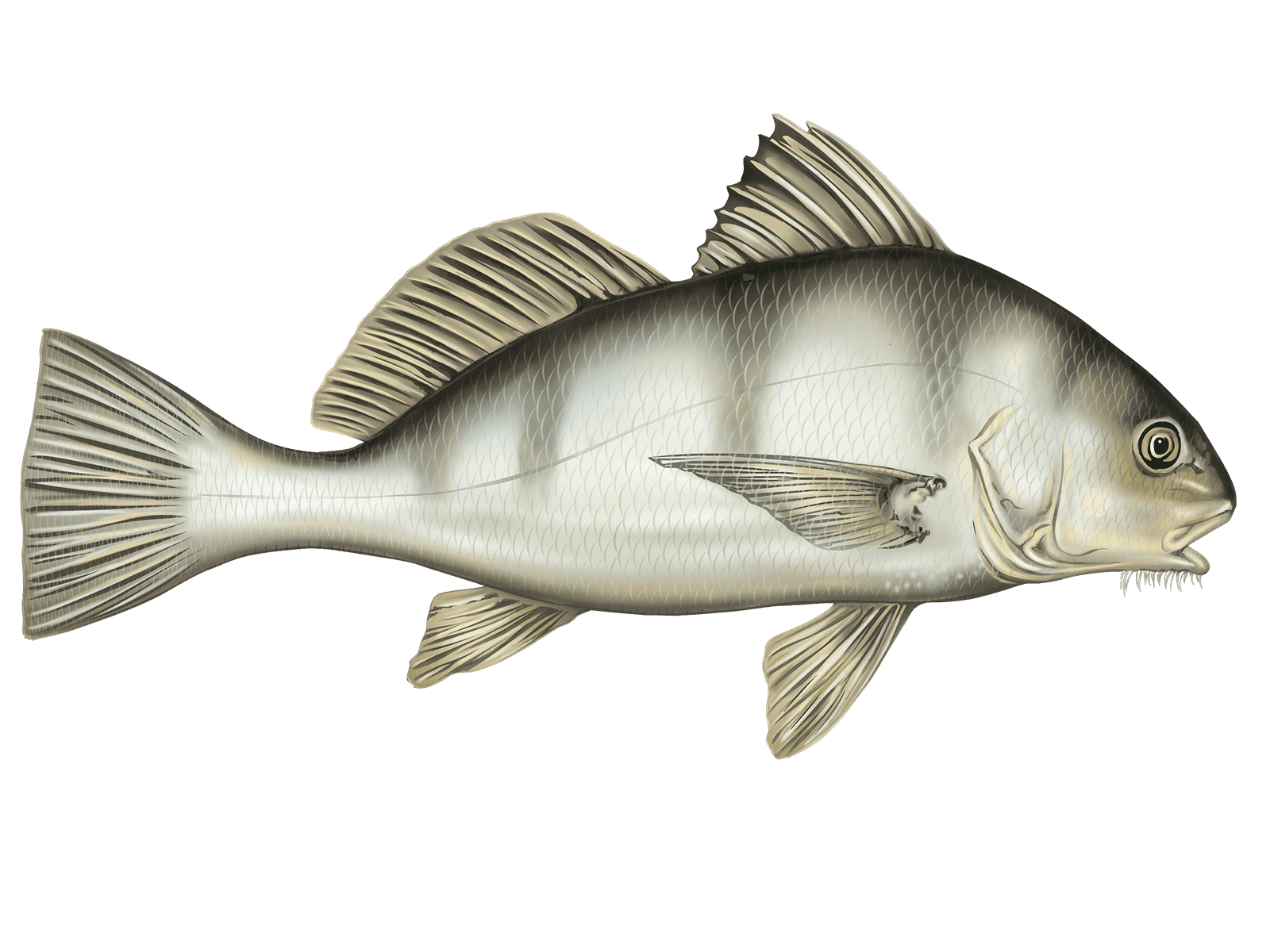
Black drum are the heavyweights of the flats, often caught while targeting redfish in similar areas. These fish can range from small juveniles to true giants over 30 inches, and they're known for their bulldogging fights that test both your tackle and your patience. They're year-round residents but are most active during cooler months. Drum are primarily bottom feeders, so you'll often catch them on baits intended for redfish, and their powerful runs can surprise even experienced anglers.
Snook are the wild cards in these waters – not as common as the other species but incredibly exciting when you hook one. These fish are at the northern edge of their range around Arroyo City, making them more temperature-sensitive and typically most active during the warmer months from late spring through early fall. Snook are ambush predators that love structure and shade, and they're known for their acrobatic fights and gill-rattling jumps. Landing a snook on a wading trip is always a highlight and something that keeps anglers coming back for more.
Time to Book Your Spot
This world-class wading experience offers something you can't get from a regular boat charter – intimate knowledge of the flats, hands-on instruction, and the satisfaction of catching fish on your own terms. The early morning timing means you'll experience the best fishing conditions while avoiding the heat and afternoon crowds that can make fishing more challenging. With a maximum of five anglers, spots fill
Learn more about the animals
Black Drum
Black drum are the heavyweights of the bay, running anywhere from 5-30 pounds with some monsters hitting 50-plus. These bruisers love oyster beds, muddy bottoms, and shallow flats where they root around for crabs and shellfish with those powerful jaws. Spring is prime time when they school up to spawn - that's when you'll hear them drumming underwater. They're tough fighters that use their weight and bulk to wear you down. The smaller ones under 15 pounds are great eating, but the big ones get tough and wormy. Fresh crab is your best bet for bait - they can't resist it. Here's the key: keep your bait on the bottom and be patient. When you feel that slow, heavy pull, let them eat it for a few seconds before setting the hook. They're not going anywhere fast.
Redfish
Redfish are the perfect sight-fishing target with that copper-bronze back and signature black spot near the tail. Most run 20-28 inches and 5-15 pounds, but the slot fish fight like they're twice that size. They cruise super shallow flats, often with their backs out of the water, feeding around oyster reefs and grass beds. Year-round fishing is solid, but fall is phenomenal when they school up. What gets guests fired up is watching them cruise the shallows and making that perfect cast ahead of a tailing fish. They're also fantastic on the table with firm, sweet meat. The trick is approaching them quietly and leading them enough so your bait lands where they're headed, not where they are. Gold spoons and soft plastics work great, but don't overlook topwater when they're really aggressive.
Sea Trout
Speckled trout are the bread and butter of our shallow water fishing, typically running 14-20 inches with plenty of keepers in the mix. These spotted beauties love grass flats, spoil banks, and drop-offs where they hunt shrimp and baitfish. Cool mornings and evenings are prime time, especially in spring and fall when they're most active. What makes them special is their willingness to hit topwater lures and their excellent table fare - soft, white meat that's hard to beat. They've got a soft mouth though, so don't horse them or you'll pull the hook. My go-to technique is working a soft plastic under a popping cork over the grass beds. The key is varying your retrieve - sometimes they want it fast and erratic, other times slow and steady. Watch for slicks and bait activity on the surface.
Snook
Snook are the ultimate shallow water predator with that distinctive black lateral line and golden color. Most run 18-30 inches, but the big females can push 40 inches and really test your drag. They love structure - mangroves, docks, oyster bars, and creek mouths where they ambush baitfish. Spring through fall are your best bets, especially around the full and new moons when they get more active. What guests love is their explosive strike and bulldogging fight in shallow water. Plus, they're fantastic eating with firm, white meat. The tricky part is their razor-sharp gill plates that'll cut your line in a heartbeat. Keep steady pressure and try to turn their head away from any structure. Work your lures slow and deliberate - they like to study their meal before committing.
Southern Flounder
Southern flounder are masters of disguise that bury themselves in sandy and muddy bottoms, waiting to ambush prey. These flatfish typically run 15-18 inches and weigh around 5 pounds, though they can reach up to 33 inches. You'll find them in shallow bays, estuaries, and around oyster beds where they feed on shrimp, crabs, and small fish. Fall and winter are prime times when they move through our area heading to spawn offshore. What makes them exciting is their aggressive strike and surprising fight for a flatfish. The meat is excellent - white, flaky, and mild. My tip: look for subtle puffs of sand or slight depressions on the bottom. When you spot one, drop your bait right in front of their nose and wait for that telltale thump.
About the Fin-natic Bay Rider
%2F%2Fusers%2Fcd3b67a1-958b-455f-aa8f-48fb7ffd9581%2Fvehicle_picture%2Fsouthpadreislandfishingboat-mre4rwuc.jpg&w=1920&q=75)
Vehicle Guest Capacity: 6
Manufacturer Name: Suzuki
Maximum Cruising Speed: 35
Number of Engines: 1
Horsepower per Engine: 200